Highway 112 Memories Run Deep
Joe Quinn, AGRF Executive Director
We all have a road or drive in our memories that stays with us. A road you drove at a very specific time in your life. A road that represents when life seemed simpler, or a drive that you associate with the loss of a job or a divorce, or traveling to a job you didn’t really like. Memories are often tied to the roads we traveled, the places we went, the people we drove with, the cars we bought and sold and wrecked. Roads and cars are also often tied to the days when we were falling in love and the places we went in the early days of a relationship.
 My first car was a 1968 Ford Fairlane that I paid $400 for. I earned the money working as a night disc jockey at a small radio station. The car was eight cylinders of muscle on the highway without seat belts. Gas was cheap, the Ford had an AM radio, and some of my best memories involve driving to that little radio station in that beat-up brown car. I thought I had the best minimum wage job on the planet, spinning the hits and reading the news. In Northwest Arkansas, the memories of cars and roads are often associated with young people heading to the University in Fayetteville from Little Rock, Conway, Pine Bluff, or Crossett. University of Arkansas students from the 1970s and 1980s all have vivid memories of driving the winding and dangerous “Pig Trail” to get from I-40 north to Fayetteville. Other people remember getting back to campus from Christmas break, coming down Highway 112 from Bentonville.
Arkansas Highway Commission Chairman Philip Taldo remembers his grandmother from Italy driving on 112 in her earliest days in this country. Taldo has vivid memories of how Highway 112 was a part of his teenage years. Long before he chaired the Highway Commission, he was advocating for upgrading Highway 112, one of the few north-south roads in the region.
On a beautiful November morning, local, state, and federal leaders gathered to celebrate the first stage of a multi-stage set of improvements to be made to Highway 112. Taldo told the crowd, “I drove 112 to get to the University of Arkansas, and I drove this road to get to my first job at Walmart.”
The renovation work will be done in four stages, and it will involve four lanes and 27 new roundabouts. The four lanes will include a median. Federal funding totaling $25 million will help pay for the project. The new version of the old road will be both scenic and functional. US Congressman Steve Womack was at the dedication ceremony. He said the newly renovated 112 will be a classic example of Northwest Arkansas regional leaders working together: “No one here cares who gets the credit when we succeed. Everyone is focused on results.”
 While Congress has members focused solely on national party line talking points, Womack is different. He is an ex-mayor with a deep understanding of the people, issues, and roads in the region where we grew up. He understands road funding, grant writing, clearing snow for commuters on December mornings, welcoming new businesses, and supporting quality schools. One speaker at this event said Womack is “mayor-centric”, and we could use more of that in Washington.
The Northwest Arkansas Council supported regional efforts to improve the highway by funding a cost-benefit analysis that showed the new road will generate $1.66 in public benefits for every $1 spent on construction. Nelson Peacock, President and CEO of the council, said, “This project is a win for the entire region. This transformation will improve safety, reduce travel time, and create new opportunities for active transportation that make the region a great place to live and work.”
Everyone at this event had memories of this road. State Senator Greg Leding was a close friend of the son of an auto dealer who lived across the street from the parking lot where the news conference took place. He remembered racing the auto dealer’s cars on 112 at night. State Representative Robin Lundstrum vividly remembered driving this road with her husband in their early days together.
Northwest Arkansas is the 18th fastest growing metropolitan region in the United States, but there is still something of a small-town culture here. ARDOT events like this are reminders that this is a true region in far more ways than it is a set of different communities. Everyone seems to have childhood memories of Highway 112, and no one really needs to be convinced that its renovation matters.
Tim Conklin is the Executive Director of the Northwest Arkansas Regional Planning Commission. He remembers local leaders commissioning a study of the road in 2012, and in 2017, recommendations based on the study were formally made on what needed to be done to integrate the road into the overall long-term Northwest Arkansas traffic strategy.
Womack thinks a new and improved Highway 112 will take pressure off I-49. He said, “People want alternatives when they are sitting in bumper-to-bumper traffic. This is exactly how the federal government should operate to improve the quality of life of all our citizens.”
State Senator Bart Hester is the president pro tempore of the Senate and a lifelong resident of Northwest Arkansas. He is now an active leader in complex discussions about the region’s ability to meet future water and sewer infrastructure needs. But he has been following road development closely for more than a decade. Hester said, “The need for good roads here has never been greater. But I think what has changed from ten years ago is that the region is now getting its share of the road resources. There is more of a statewide realization of the clear need here.”
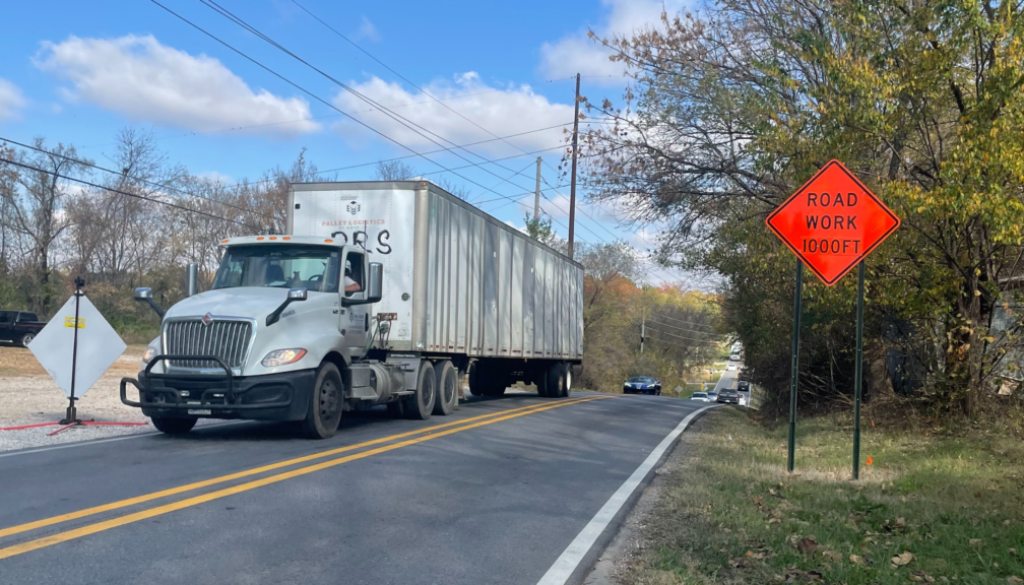
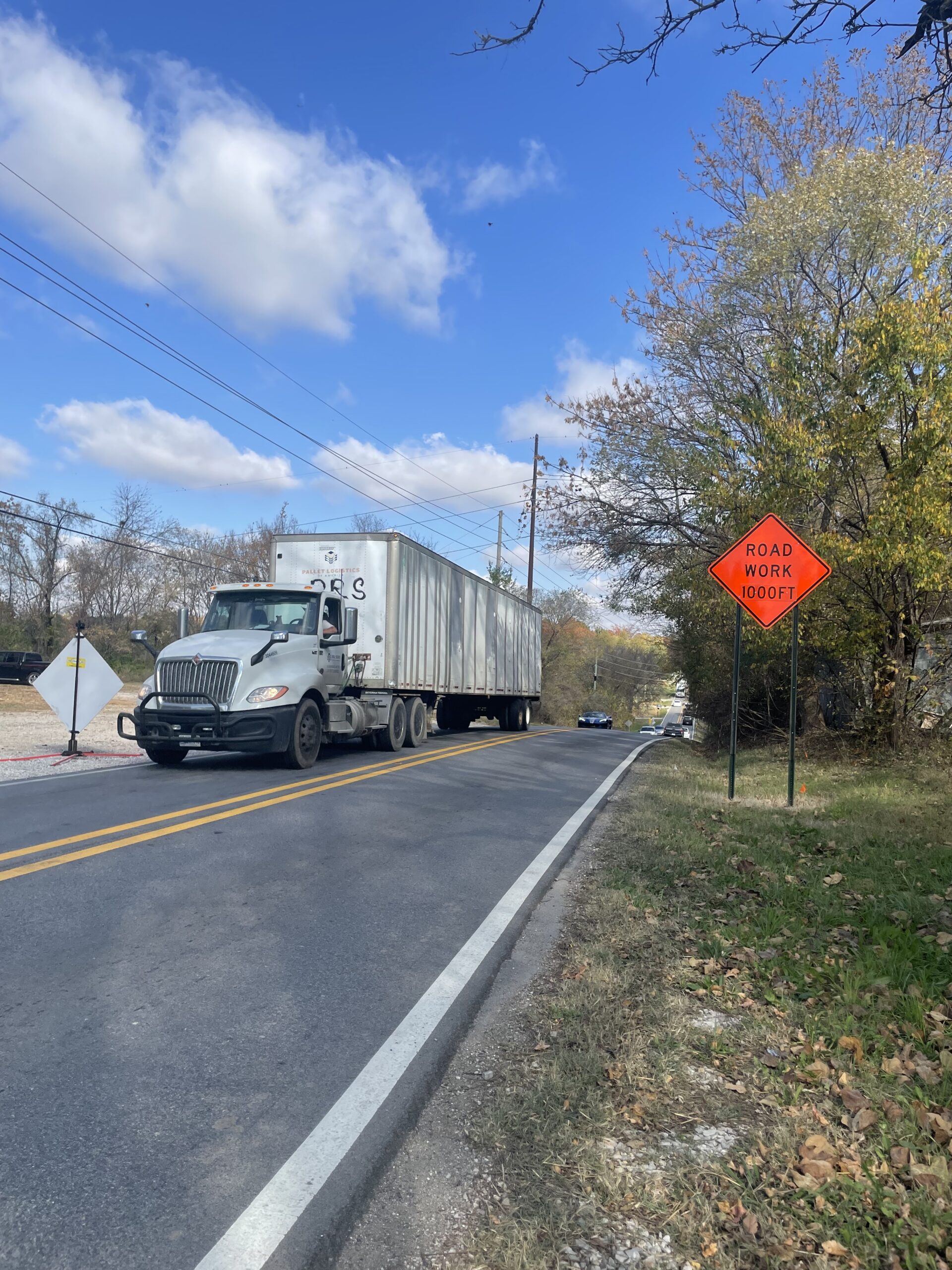
In infrastructure circles, there is often a discussion along the very general lines of….do new roads lead to more traffic, or does heavy traffic come first and better roads follow? During the ceremony, a short distance from I-49, Congressman Womack was one of the last to speak. He began his remarks with a comment that resonates. Womack said, “I was sitting here listening to speakers and watching cars, dump trucks, and large trucks roll by without a break. It’s a reminder that Northwest Arkansas doesn’t wait for new infrastructure to push for growth. Northwest Arkansas keeps growing on its own, and it’s then the government’s job to provide better infrastructure through projects like this.”
Infrastructure projects like this matter and are a reminder that some roads are deeply embedded in the culture of a region or community. Roads we remember driving in high school, or going to our first job, or falling in love. Highway 112 is clearly one of those legendary Arkansas roads. Safe travels. Put that phone down when you are driving